Trigger Isolate Return the Managed Workflow Loop Claude Code Codex Cursor and OpenCode Run at Engineering Scale
Trigger, isolate, return: a stable frame for choosing coding agents.
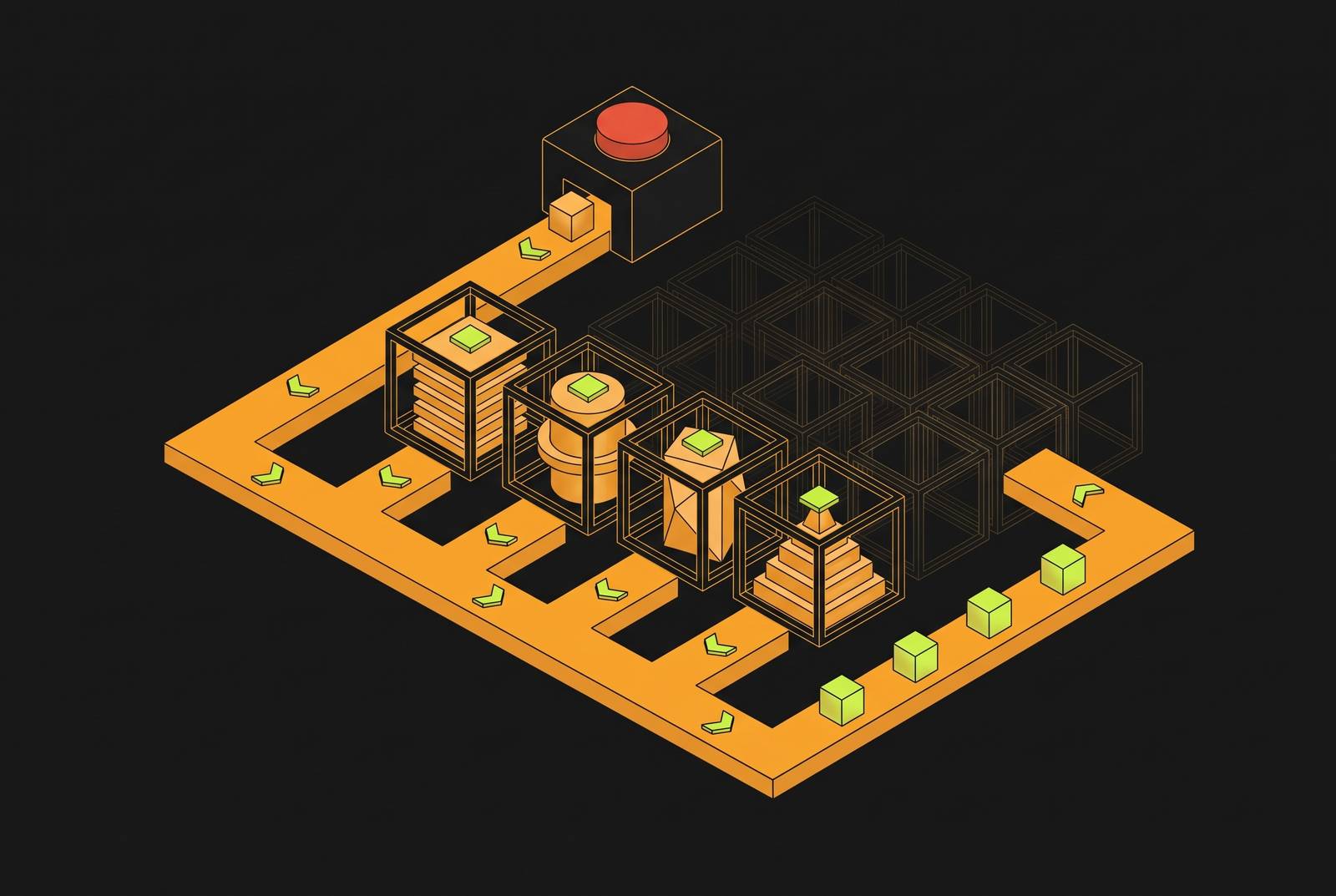
Isolated VM environments for cloud coding agents belong inside a managed workflow loop that triggers a task, isolates its execution with scoped credentials, and returns a reviewable pull request. Claude Code, Codex, Cursor Cloud Agents, and OpenCode can all participate in this architecture, although their native isolation mechanisms differ. The durable investment is the environment and its governance.
Why the trigger-isolate-return loop is the right frame for running agents at scale
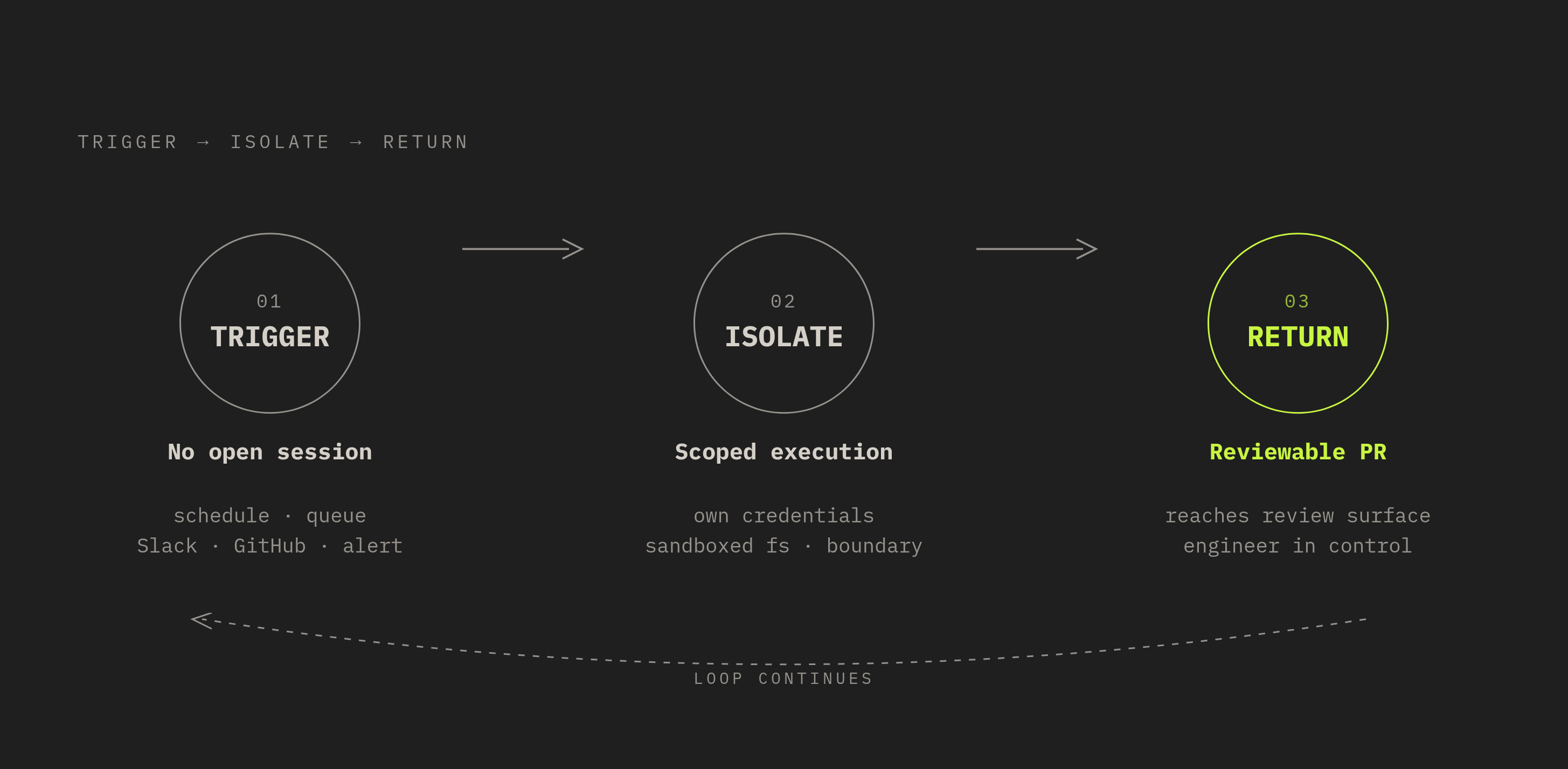
The trigger-isolate-return loop gives task assignment, execution, and human review their own roles in the architecture. That separation makes the platform different from the agent. The platform connects work to an execution environment and sets its permissions, while the harness performs the task within those boundaries. A team can therefore change its harness without redesigning how work enters the system or how people approve the result.
For engineering teams adopting agents in 2026, evaluating products without this distinction creates a structural trap. Each adoption can acquire its own integrations, credential arrangements, and review process, making later changes unnecessarily expensive. The four agents differ in execution posture, autonomy, and model choice, but they all work within the same broader workflow. The loop provides the stable frame for evaluating them. Product selection then becomes a question of workload fit rather than a commitment to one agent’s operating model.
What the trigger step actually covers across the four agents
A trigger connects an agent to work that already exists. It is an integration surface. A schedule, queued task, or external event can start work without requiring an engineer to keep an interactive session open. All four agents can run without an interactive session, but starting work and getting notifications about it are separate functions.
Claude Managed Agents can run work on a schedule and send webhooks when the session state changes. Those webhooks report how work is going or when it is done, while Claude Code Routines has the native event-driven triggers that start work. Multiagent Orchestration, announced at Code w/ Claude SF 2026, lets a lead agent delegate to specialist subagents with their own models, prompts, and tools.
Codex accepts asynchronously queued tasks from multiple engineers. Its Agents API, introduced in public beta on September 10, 2026, exposes the harness through a single flexible API. Cursor Cloud Agents continues working after the editor closes. OpenCode 2, released September 11, 2026, and formally announced October 12, 2026, uses one background server shared by its terminal, web, and desktop apps. These execution models decouple task submission from the developer’s continued presence, allowing an integration layer to connect agents to schedules, events, or ticket systems.
What isolation actually provides — and why a fresh environment per task is not optional at scale
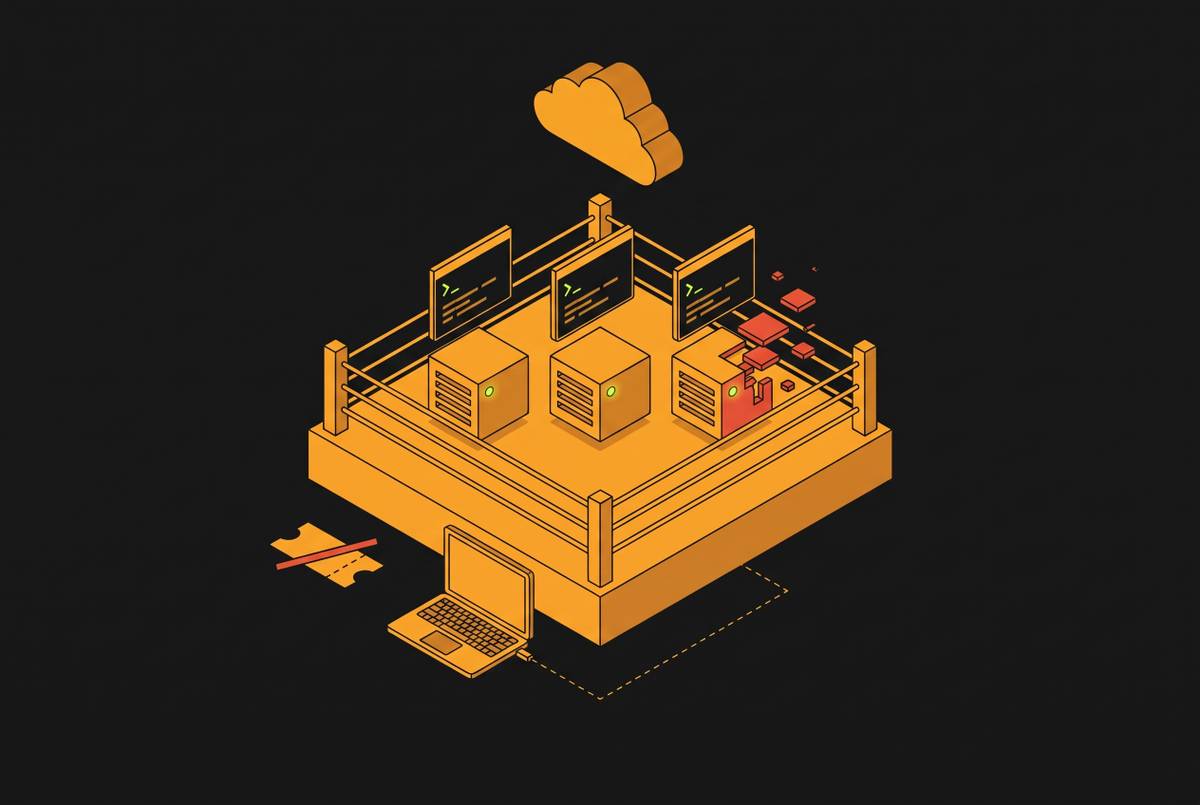
Fresh execution state is the foundation of safe parallel work. Without it, tasks can share unintended state, credentials can cross task boundaries, and failures become harder to attribute. Isolation gives each task a defined place to execute and a defined permission scope. That boundary makes concurrent work auditable.
The products provide different parts of that boundary. Claude Managed Agents handles secure sandboxing, authentication, and tool execution, with scoped permissions and execution tracing. Codex runs each task in an independent sandbox. OpenAI’s Codex Cloud relaunch at DevDay September 29, 2026, added reusable environments in which each task starts from a prepared filesystem in its own isolated workspace.
Cursor Cloud Agents gives each agent an isolated virtual machine with a copy of the repository. OpenCode provides git-based snapshots and undo/redo, while its LSP integration feeds compiler diagnostics back to the model after edits. These are different guarantees. Reversibility and diagnostics help control changes, but they do not themselves establish the VM boundary described for Cursor. In a common managed architecture, the surrounding environment provides the task isolation that each task needs, so it is safe to use a harness that does not provide it.
Claude Managed Agents announced self-hosted deployment on November 12, 2026. That option extends the environment decision to teams that need execution within their own infrastructure.
What the return step means — the pull request as the unit of reviewable agent work
Sentry paired its debugging agent with a Claude-powered agent that writes a patch and opens a pull request, shipping the flow in weeks on Managed Agents. A flagged bug becomes a reviewable fix without a manual handoff between detection and repair. The pull request is the governance checkpoint. It presents the proposed change in the same form engineers already use to review and merge human-authored work.
This makes “return” more specific than delivering an answer. Cursor agents can push a branch or open a pull request when finished, while OpenCode’s snapshots make changes traceable and reversible. In the shared architecture, the PR is the target return artifact even where the harness also supports other outputs. Separate tasks converge at review rather than combining unchecked changes into a shared working environment.
Automated review can strengthen that checkpoint without replacing it. Codex code review posts comments on GitHub and in Code Review and can do so without a cloud environment. Outcomes, announced at Code w/ Claude SF 2026, uses a separate grader with its own context window to evaluate results and send the agent back for revisions against a defined rubric. This adds a check before people approve the work.
How the four agents differ where it actually matters for teams running the loop at scale
Workload fit depends on execution location, autonomy posture, and model agnosticism. An interactive development task, a batch of queued fixes, and browser-based verification place different demands on the harness.
For workloads that benefit from learning across repeated sessions, Claude’s Dreaming feature is relevant. Announced at Code w/ Claude SF 2026, it runs a scheduled process that reviews past sessions, surfaces patterns, and curates memory. Managed Agents adds scheduled execution and specialist delegation for work that needs a managed layer to run it.
For tasks that can be queued and reviewed later, Codex has an asynchronous execution posture. OpenAI’s Codex announcement identifies codex-1 as a version of OpenAI o3 optimized for software engineering. Multiple engineers can submit work concurrently, and the Agents API removes dependence on the ChatGPT interface. The fit is batch delegation rather than a requirement to remain in an interactive development session.
For work that needs browser interaction, Cursor’s February 24, 2026, Computer Use update supports loading an app, clicking buttons, and capturing UI states. Each session produces a video recording for review. Its Self-Hosted Machines option, introduced September 2, 2026, places tools on customer-managed machines while Cursor retains the agent loop and inference, a division relevant when evaluating data-residency requirements.
For teams prioritizing provider choice, OpenCode offers an MIT-licensed harness with support for 75+ providers and the team’s own provider API keys. Its harness cost is zero, while model spending stays with those accounts. Background subagents, snapshots, and compiler diagnostics support a different operating posture from a fully managed cloud service. The platform remains responsible for supplying the surrounding isolation and governance.
Running multiple agents in parallel — what actually changes when the loop runs at team scale
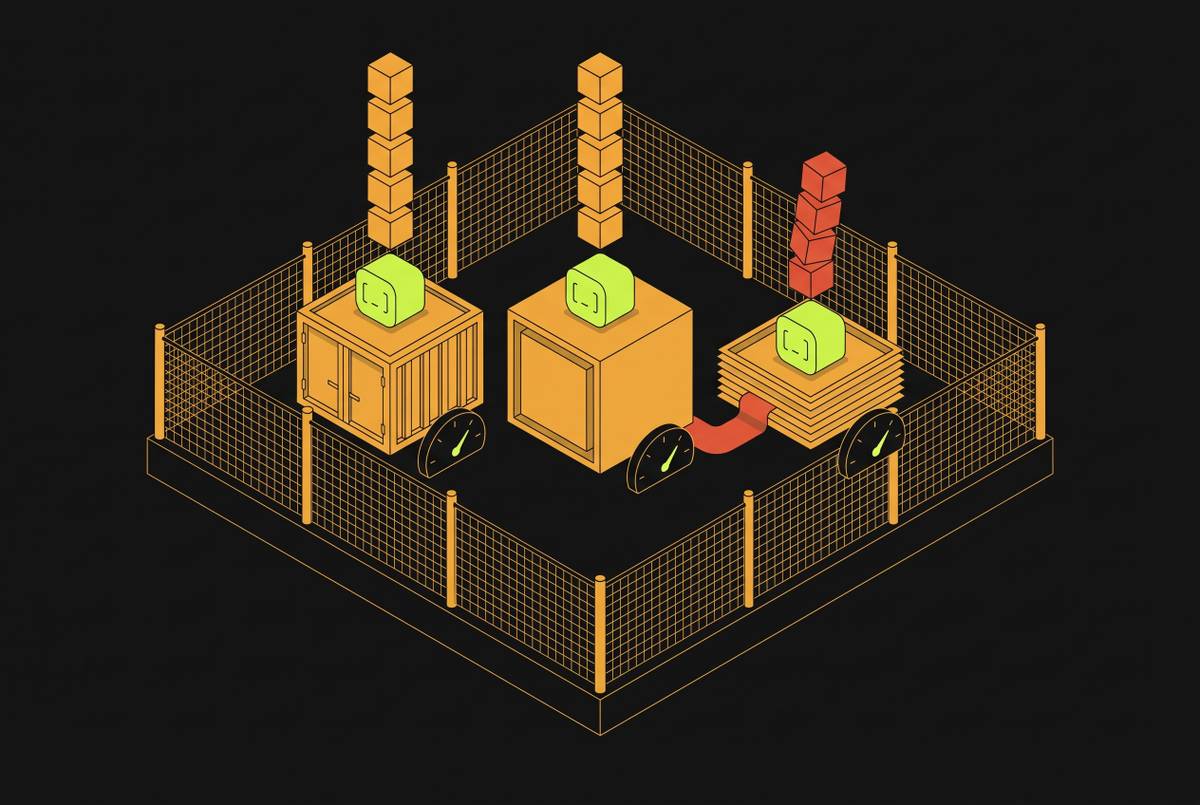
The architectural payoff is concurrent delegation. Each independent task can execute without modifying another task’s environment. Codex expresses this directly through separate task sandboxes, while Cursor runs multiple agents after the editor closes. Neither model requires a developer to remain present throughout execution.
Parallel subagents require a more precise distinction. Claude’s orchestration can place specialists on a shared filesystem, and OpenCode lets background subagents continue while the main agent works. This is coordination inside a task, without guaranteed isolation between every participant. The task boundary remains the relevant containment boundary.
As more tasks run concurrently, their outputs accumulate at review. Human attention becomes the limiting resource. Documentation and review capacity determine how much returned work a team can absorb, even when the execution layer can accept more tasks. Scheduled runs and external integrations can keep work moving overnight or around CI events, but they do not remove that constraint.
Where the loop plugs into existing engineering workflows — Slack, Linear, GitHub, and production alerts
Sentry’s Seer integration shows how work can start from an engineering signal that is already there. The flagged production bug supplies the task, and the resulting PR reaches the established review surface. The agent interface is not a separate destination. Linear tickets, Slack messages, or GitHub events can also supply tasks if the integration connects them to the chosen harness and accounts for the native connectors each product has.
Other Managed Agents deployments show how this pattern fits existing collaboration tools. Rakuten deployed specialist agents across product, sales, marketing, and finance through Slack and Microsoft Teams, with each agent deployed within a week. Employees assign tasks and receive deliverables in those tools. Asana built AI Teammates that take on tasks and draft deliverables inside Asana projects.
External inputs also cross a trust boundary. Content fetched from Sentry or Jira through MCP is not necessarily inert, and malicious instructions in error reports or tickets are a documented prompt-injection vector. Production-alert integrations therefore require scoped permissions, isolated sandboxes, and audit logs as part of their design. These controls constrain what an agent can access and make its execution inspectable.
What governance and security controls the loop requires at enterprise scale
Self-hosted Claude Managed Agents lets teams run agents in their own cloud or on-premise, host credentials and session history themselves, and choose where requests to Claude are sent. This places governance decisions at the environment boundary. The platform handles hosting, identity, and credential custody, so each task no longer has to make its own assumptions about them. Enterprise requirements therefore shape the loop itself.
Managed Agents also provides scoped permissions, identity management, and execution tracing. The Claude Console includes session tracing, integration analytics, and troubleshooting guidance so tool calls, decisions, and failures are inspectable. Visibility belongs beside permission control. A constrained agent still needs an attributable execution record when a team investigates an unexpected result or reviews how access was used.
Cursor’s customer-managed tool execution offers a different boundary because its agent loop and inference remain with Cursor. Cursor holds SOC 2 Type II, ISO/IEC 27001:2022, and ISO/IEC 42001:2023 certifications, but those credentials do not erase that architectural distinction. The comparison concerns responsibilities retained by the enterprise and those retained by the service. When audit, identity, and credential controls are implemented in the surrounding environment, changing a harness need not require rebuilding those controls.
Running all four agents from one environment without rebuilding the loop for each
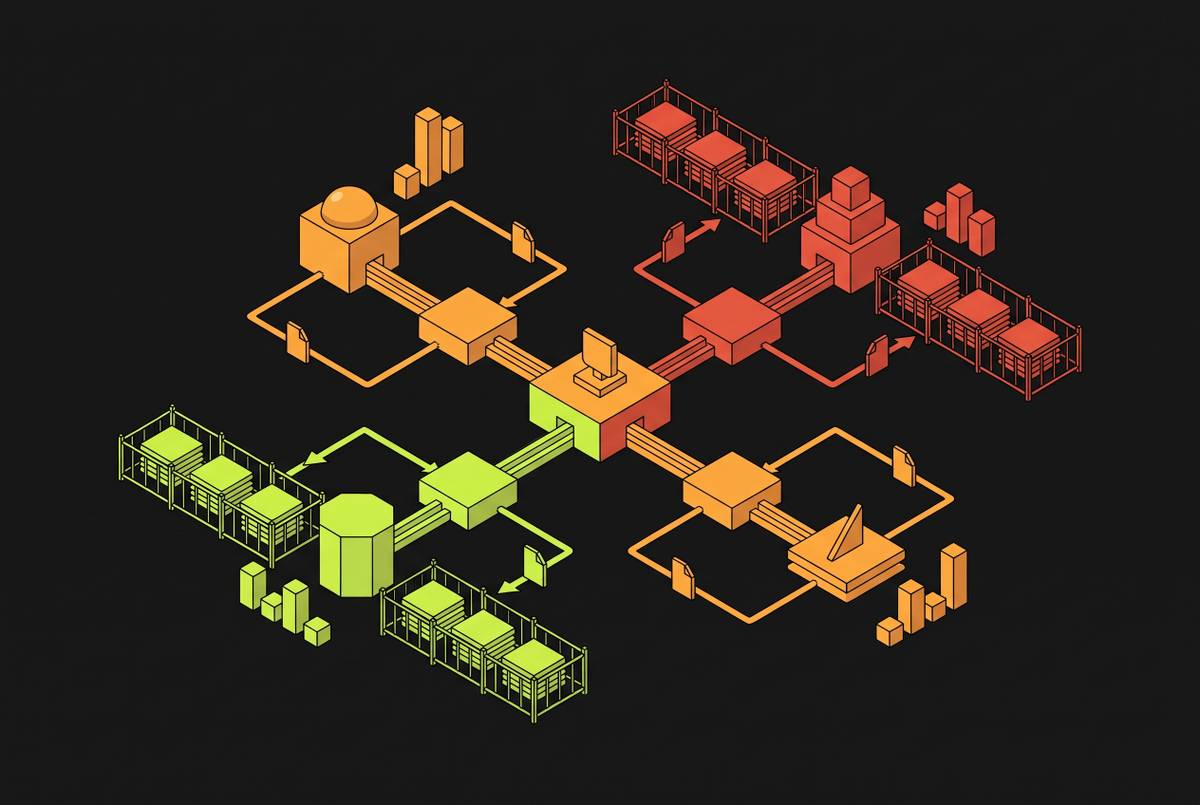
A common environment connects Slack, Linear, and GitHub to isolated execution, scoped credentials, audit logs, and PR-based review. Within that design, Claude Code, Codex, Cursor Cloud Agents, and OpenCode become selectable harnesses within a common workflow. Their integration surfaces are not identical. Portability comes from keeping the platform’s responsibilities stable while accommodating those differences.
OpenCode’s provider choice separates harness selection from model spending. Claude’s scheduled execution, webhooks, and orchestration supply managed coordination mechanisms, while Codex’s API exposes its execution model programmatically. These capabilities let the platform send work and get results back without building the workflow around an interactive interface. The common contract is task execution within a governed boundary followed by a reviewable artifact.
The practical investment for engineering leaders is therefore the environment design. Managed or self-hosted cloud execution preserves that separation more clearly than a workflow tied to individual developer laptops. Where the platform already supports the required harness, switching it can be a configuration change within the existing workflow. Harnesses will keep changing, while task boundaries, credential scope, execution records, and human review remain the infrastructure worth protecting.